
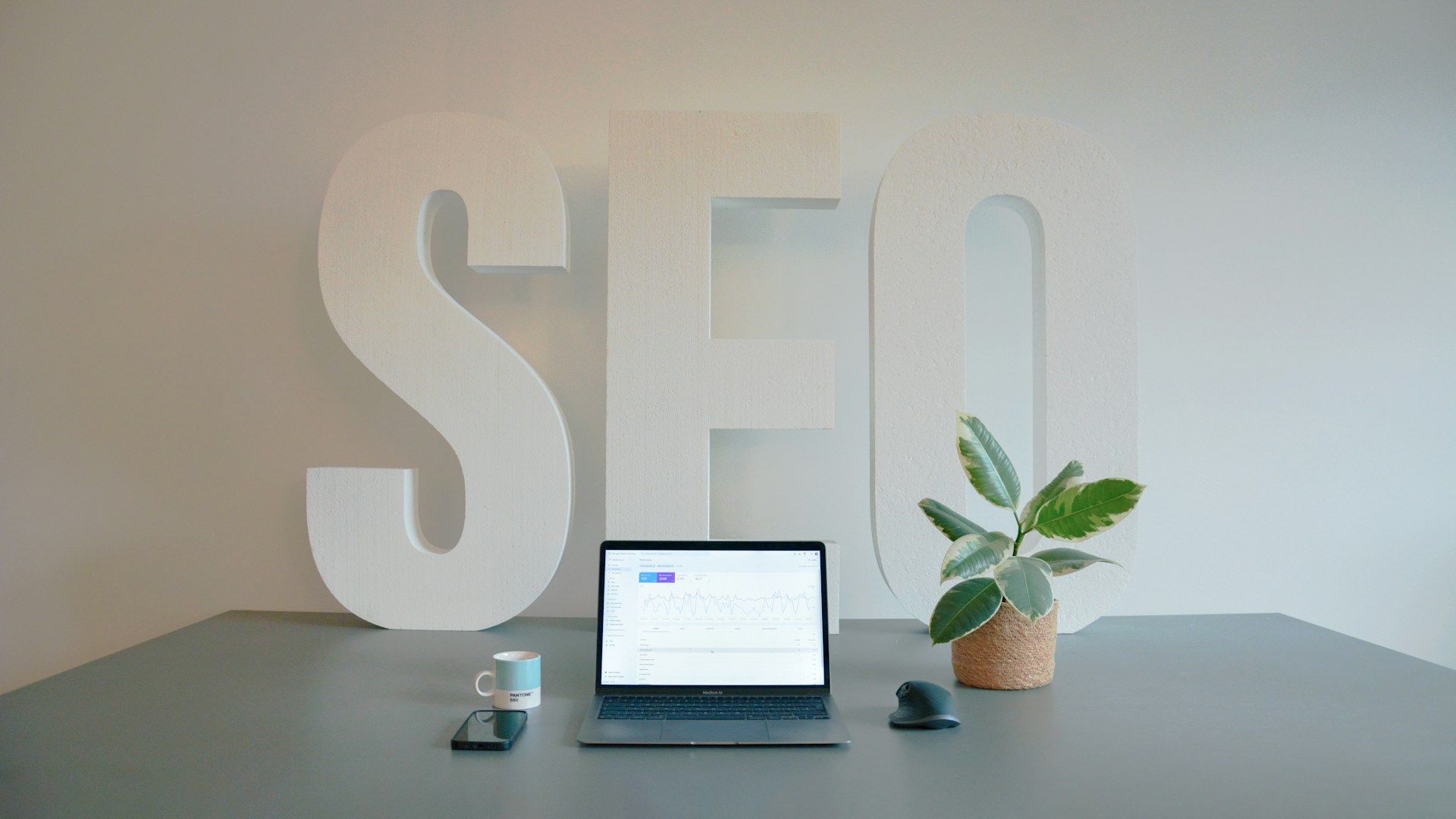
Search is now beyond just typing keywords into a search engine and clicking those blue links. AI-powered assistants and generative search experiences are changing how people discover information. That shift has introduced a new concept called Generative Engine Optimization, or GEO, which complements traditional SEO rather than replacing it. Some marketers assume GEO signals the end of SEO. That’s like saying streaming eliminated movies because people watch them differently. Search behavior is evolving, but the goal remains the same: connecting users with reliable, helpful content. Understanding how these approaches differ gives businesses a stronger competitive advantage.

SEO Builds Visibility Across Traditional Search Results
Search Engine Optimization focuses on helping web pages rank well in search engine results. It relies on relevant content, technical performance, authority, backlinks, and user experience. Strong SEO gives websites more opportunities to attract organic traffic over time. Search engines still reward pages that answer questions clearly and satisfy user intent. Fast websites, logical site structures, and valuable information remain essential ingredients. Those fundamentals continue to support long-term visibility even as search platforms introduce AI-generated responses.
GEO Focuses on Becoming Part of AI-Generated Answers
Generative Engine Optimization aims to increase the likelihood that AI systems reference or summarize your content. Instead of competing only for clicks, businesses also compete to become trusted information sources within AI-generated responses. That changes how marketers think about content quality. Clear explanations, factual accuracy, logical formatting, and topical depth become increasingly valuable. AI systems tend to perform better when content answers questions directly and covers related concepts naturally. Writing for people first often improves visibility in AI-powered experiences as well.
Authority Matters More Than Ever
Both SEO and GEO reward credibility, although they evaluate it differently. Search engines analyze signals like backlinks and page quality, while AI models also consider consistency, context, and the overall usefulness of available information. Trust remains the common denominator. Publishing original insights, citing reliable sources, and updating content regularly strengthen long-term authority. Businesses that consistently provide accurate information gradually become more dependable references for both search engines and AI platforms. Credibility is earned one helpful article at a time.

Content Structure Plays a Bigger Role Today
A well-organized article is easier for readers to understand and easier for technology to interpret. Clear headings, concise paragraphs, descriptive titles, and direct answers help both traditional search systems and generative platforms process information more effectively. Avoid burying important points beneath unnecessary introductions or repetitive wording. Answer primary questions early, then expand with supporting details and examples. This structure improves readability while giving search technologies stronger context for understanding your content.
The Smartest Strategy Combines GEO With SEO
Treating GEO and SEO as competing strategies misses the bigger picture. Businesses benefit most when both approaches work together because people still use multiple ways to search for information. One visitor may click a search result, while another asks an AI assistant the same question. Create content that is accurate, helpful, well-structured, and genuinely useful. Continue improving technical SEO while writing with clarity that benefits both readers and AI systems. Marketing channels will continue changing, but organizations that focus on solving real problems with trustworthy information will remain visible regardless of how search technology evolves.…